
Thinking about launching a glamping site? This friendly, authoritative guide walks you through every step—from market research to permits, structures, pricing, branding, and your most important asset: a high-converting website with direct booking.
Why Glamping Is a Smart Business Opportunity
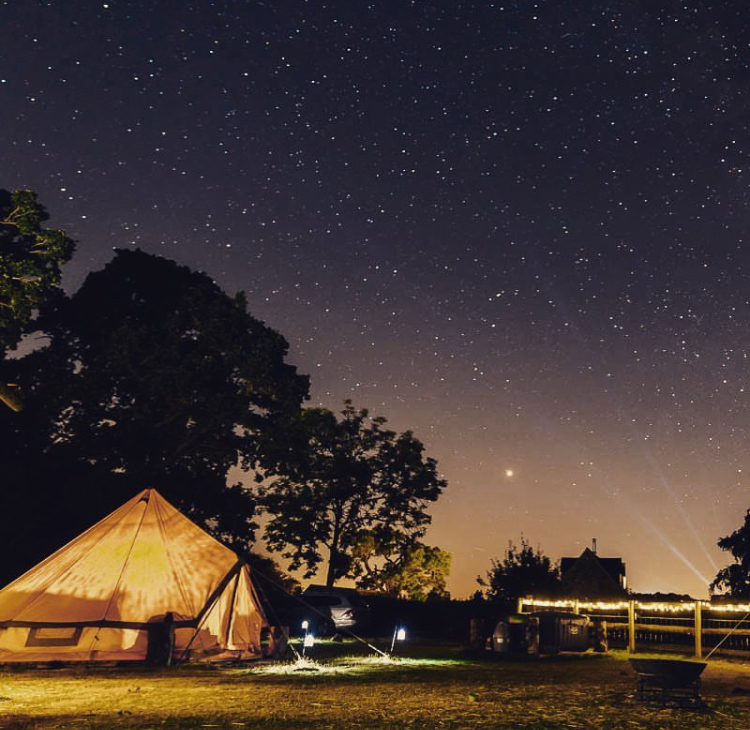
Glamping—short for “glamorous camping”—offers the outdoors with comfort: real beds, styled interiors, private decks, fire pits, and sometimes hot tubs or private bathrooms. Guests are willing to pay a premium for the experience, making glamping a compelling hospitality niche for landowners, farmers, and short-term rental entrepreneurs.
Unlike traditional lodging, you can often start smaller (fewer units, modular growth) and reinvest profits as you scale. With the right location, thoughtful guest experience, and a strong direct-booking website, a glamping site can compete effectively with cabins and boutique hotels.
Step-by-Step Overview
- Validate your market and choose a profitable niche.
- Assess your land and obtain permissions.
- Select structures and plan infrastructure.
- Run the numbers (startup costs, pricing, break-even).
- Create your brand and launch a direct-booking website.
- Set up operations, housekeeping, and guest communications.
- Market across channels and build repeat business.
- Measure, optimize, and scale.

1) Validate Your Market & Positioning
Find Your Demand Drivers
Map your location against regional attractions: national parks, coastal access, hiking, stargazing, wine trails, wedding venues, or wellness retreats. Look for 30–90 minute proximity to population centers and transport corridors. Scan seasonal events—festivals, foliage, ski seasons, and shoulder seasons.
Competitive Landscape
Analyze competitor inventory (tents, yurts, domes, cabins), nightly rates, fees, occupancy patterns, and amenities. Identify gaps: adult-only retreats, family-friendly sites with activities, pet-friendly policies, or high-end wellness amenities (sauna, cold plunge, yoga deck).
Useful Tools
- Google Trends for seasonality and keyword interest.
- Booking.com / Airbnb to benchmark inventory and pricing.
- OpenStreetMap to explore access and nearby amenities.
2) Land, Zoning & Permissions
Before you buy structures or break ground, confirm what’s allowed. Requirements vary widely by country, region, and municipality. Expect to consider:
- Zoning & permitted use: Whether short-stay accommodation or “camping pods” are allowed.
- Environmental constraints: Floodplains, protected habitats, setbacks, and tree preservation.
- Fire and safety: Egress, extinguishers, spacing, emergency access (OSHA fire safety guidance is a useful reference).
- Sanitation: Septic permits, composting toilets, or connection to mains.
- Building consent: Foundations, decks, bathrooms, and utility sheds may trigger different rules.
Start with your local planning authority or building department. For the UK, see the Planning Portal. For the US, your county planning office and state health department are key contacts.
3) Choose Your Structures & Plan Infrastructure
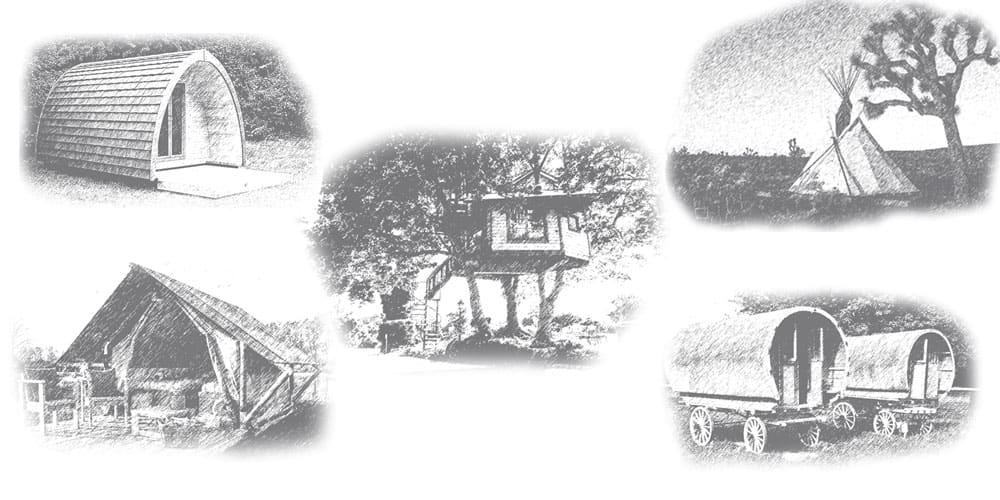
Popular Structure Types
- Canvas bell tents & safari tents: Iconic look, quick to deploy, require ongoing maintenance.
- Yurts: Strong frames, circular footprint, good insulation options.
- Geodesic domes: Eye-catching and sturdy; support skylights and panoramic windows.
- Cabins/pods: Higher upfront cost but longer lifespan and better all-season comfort.
- Treehouses & A-frames: High “wow” factor; check structural and permitting complexity.
Infrastructure Checklist
- Decks & platforms: Level surfaces, water runoff, and durable materials.
- Power: Grid connection, off-grid solar, or hybrid systems; plan cable routes and safety.
- Water: Potable supply, treatment/filters, and freeze protection.
- Waste: Septic/mini-treatment plants, composting solutions, and guest education.
- Access: All-weather paths, lighting, signage, and parking.
- Shared facilities: Bathhouse, kitchen hut, reception, gear shed, or sauna.
4) Costs, Pricing & Profitability
Glamping startup budgets vary widely, but the key is to size your project to demand and cash flow. Build a conservative model and stress-test it.
Typical Cost Buckets
- Site prep (grading, drainage, pathways)
- Platforms, decks, handrails
- Structures & furnishings (beds, textiles, heaters, stoves)
- Bathrooms (ensuite or shared), hot water, and fixtures
- Electrical, solar, or generator backup
- Water/septic installation
- Permits, professional fees, contingency (10–15%)
- Branding, photography, and website/direct booking setup
Revenue Planning
Model Average Daily Rate (ADR), occupancy by season, and RevPAR. Add cleaning fees, extras (firewood bundles, s’mores kits, kayak hire, sauna sessions), and length-of-stay rules. Consider dynamic pricing to capture peak demand while stimulating shoulder-season bookings.
Break-Even Snapshot
Calculate break-even nights per unit per month, then add 10–20% buffer for weather risk and maintenance. If the math only works at very high occupancy, re-scope or add premium amenities to justify higher ADR. For general small-business planning templates, see the U.S. SBA business plan guide.
5) Brand, Website & Direct Booking (Do Not Skip This)
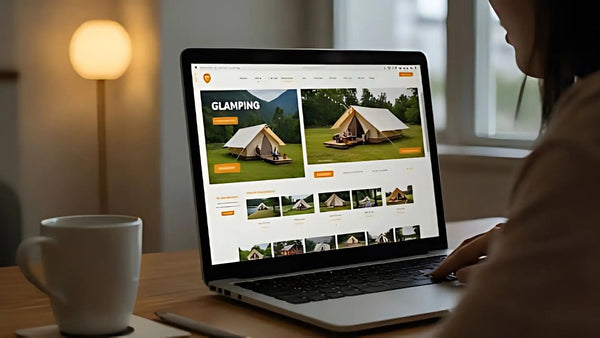
Your website is more than a digital brochure—it’s your primary sales engine. Many glamping operators rely entirely on OTAs (Airbnb, Booking.com) and leave money on the table through fees, dependency, and limited brand control. The highest-margin nights usually come from direct bookings on a site that loads quickly, tells a story, and makes it effortless to book.
What a High-Converting Glamping Website Needs
- Instant clarity: A hero image, value proposition, and a prominent “Book Now” button above the fold.
- Real-time availability & secure checkout: No email tag—guests should reserve in minutes.
- Fast performance & mobile-first design: Over half of your traffic will be mobile.
- Compelling content: Clear unit descriptions, high-quality photos, site map, amenities, and policies.
- Trust drivers: Reviews, social proof, awards, press mentions, and clear cancellation terms.
- SEO foundations: Descriptive URLs, optimized headings, metadata, internal linking, and local SEO.
- Add-ons & upsells: Firewood, breakfast baskets, private sauna hours—sold during checkout.
How Booked by Nature Helps
At Booked by Nature, we build custom and template-based vacation rental websites tailored to short-term rental owners—including glamping. We include photo galleries, availability calendars, and integrated booking systems that reflect your unique brand identity. Whether you want a fast, template-driven launch or a fully bespoke site, we’ve got the tools and expertise to make it happen—with direct booking at the core so you capture more revenue. Explore packages and features here: Holiday Rental Website Design & Pricing, or contact us to map your booking flow.
6) Operations: Housekeeping, Maintenance & Guest Communications
Create SOPs (standard operating procedures) before your first booking:
- Housekeeping: Turnover checklists, linen handling, stain protocols, and inventory counts.
- Maintenance: Weekly deck checks, canvas inspections, zipper repairs, heater servicing, and pathway lighting.
- Safety: Fire extinguishers, CO detectors (for heaters), water quality testing, and first-aid kits. See basic preparedness.
- Guest messaging: Automated pre-arrival directions, check-in video, site map, area guide, and upsell prompts.
- Supplies: Stock logs for kindling, propane, lanterns, s’mores kits, and eco-friendly toiletries.
7) Marketing: OTAs, Direct, and the Repeat-Guest Flywheel
Multi-Channel Strategy
- Launch on OTAs to build initial occupancy and collect reviews.
- Retarget visitors who visit your site but don’t book—capture emails with a “10% off midweek” lead magnet.
- Email CRM for pre-arrival upsells and post-stay rebooking offers.
- Local partnerships: Wineries, wedding planners, guides, spa therapists—build packages and referral swaps.
- Content & SEO: Publish seasonal guides (stargazing, wildflower hikes, autumn foliage) to rank locally.
- Google Business Profile: Claim it, add photos, ask for reviews, and link to your direct booking site.
Pricing Tactics
- Dynamic pricing by season, weekday/weekend, and lead time.
- Two-night minimums for weekends; single-night gaps midweek.
- Premium add-ons: private sauna sessions, guided hikes, breakfast baskets, romance packages.
- Bundle shoulder-season offers (3-for-2 nights, midweek spa add-on) to lift occupancy.
8) Design a Memorable Guest Experience
Think in chapters: arrival, first impression, evening rituals, and morning moments. Provide a welcome basket, a clear fire-safety card, and a printed area guide. Curate the sensory details—scented cedar kindling, quality linens, dimmable string lights, and a “sky window” for stargazing.
- Sleep quality: Real mattresses, blackout options, and quiet-hour policies.
- Seasonal comfort: Insulation, heaters, fans, and extra blankets.
- Wayfinding: Night lighting to bathrooms and clear trail markers.
- Accessibility: At least one unit with step-free access and wider pathways if possible.
9) Sustainability & Stewardship
Sustainable operations are both ethical and marketable. Use native landscaping, minimize mowing, and reduce light pollution for dark-sky views. Install low-flow fixtures, offer refillable water, and compost organics where allowed. Share your ethics clearly on your website and onsite signage. For principles and guest education, see Leave No Trace: 7 Principles.
10) Legal, Insurance & Risk Management
- Business structure: LLC/Ltd for liability separation (consult a professional).
- Insurance: Property, public liability, product liability (stoves/heaters), and business interruption.
- Waivers & policies: Fire rules, pet policies, hot-tub disclaimers, and bad-weather contingencies.
- Compliance binder: Permits, inspections, water testing, fire-safety logs, and SOPs.
Launch Checklist (Print This)
- ✅ Permissions approved and inspections passed
- ✅ Platforms/decks installed and weatherproofed
- ✅ Structures furnished and photographed
- ✅ Pathways lit; emergency signage posted
- ✅ Website live with direct booking and payment
- ✅ OTA listings created and synced (calendar and rates)
- ✅ Housekeeping and maintenance SOPs ready
- ✅ Email automations and upsell offers configured
- ✅ Soft launch with friends/family for feedback
Ready to Build Your Direct-Booking Engine?
Your website should do the heavy lifting: showcase your story, remove booking friction, and keep more revenue in your pocket. That’s exactly what we build at Booked by Nature—custom and template-based vacation rental websites with photo galleries, calendars, booking systems, and your unique brand identity baked in. See packages & pricing or talk to us about your glamping launch.
FAQs
How many units should I start with?
Two to four is a common sweet spot—enough revenue to cover fixed costs, but small enough to validate demand and learn your operations before scaling.
Do I need bathrooms in each tent?
Not necessarily. Many sites start with a well-designed shared bathhouse, then add ensuite bathrooms to premium units as cash flow grows.
What’s the best way to take payments?
Accept major cards and digital wallets via a secure gateway on your website. Offer add-ons during checkout to lift average order value.
Should I use Airbnb if I plan to push direct bookings?
Yes—OTAs are useful for discovery and early traction. Just make sure your website is stronger: better storytelling, better photos, and special offers that reward guests for booking direct.
© Booked by Nature